

Blog
How to Identify Authentic Vapes Before You Buy

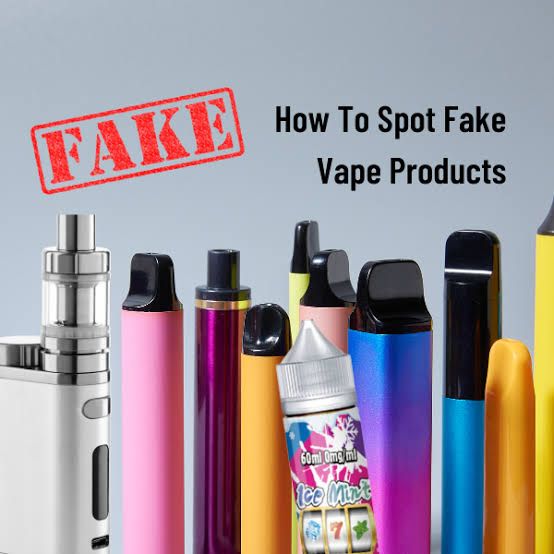
Buying a vape product can be confusing, especially when many brands offer similar packaging, flavors, and device designs. Counterfeit vape products may look almost identical to genuine products, making it important to check several details before making a purchase. Whether you are buying a disposable vape, pod system, prefilled pod, or e-liquid, taking a few minutes to verify the product can help you avoid obvious counterfeit or improperly packaged items.
Authentic vape products generally have consistent packaging, clear labeling, manufacturer information, and identifiable security features. However, no single check can guarantee authenticity. The safest approach is to combine several verification methods and purchase from a reputable, authorized source.
Check the Packaging Quality
The packaging is one of the first things you should examine. Genuine products normally have professionally printed packaging with sharp text, accurate colors, clean graphics, and consistent branding.
Look carefully for:
- Blurry or pixelated logos
- Misspelled words
- Uneven printing
- Incorrect fonts
- Poor-quality images
- Damaged seals
- Packaging that appears unusually thin or cheaply made
- Labels that do not match the product inside
Counterfeit manufacturers sometimes reproduce packaging using low-quality printing equipment. Small differences may therefore be visible around logos, product descriptions, flavor names, or warning information.
Packaging quality alone does not prove that a product is genuine, because counterfeiters can sometimes produce convincing copies. Treat it as an initial inspection rather than final confirmation.
Look for a Security or Verification Code
Many vape manufacturers use security labels, QR codes, scratch-off panels, serial numbers, or authentication codes. If the product has one, check whether the verification system is provided by the manufacturer.
A typical verification process may require you to:
- Locate the security code or QR code.
- Access the manufacturer’s official verification page.
- Enter the code or scan the QR code.
- Check whether the system recognizes the product.
- Review the result carefully.
Be cautious with QR codes that redirect to suspicious websites. A QR code can be copied onto counterfeit packaging, so the destination matters.
Whenever possible, navigate to the manufacturer’s official website yourself rather than relying only on a link printed on unfamiliar packaging.
Compare the Product With Official Images
Before buying a vape, it can be useful to compare the product with official manufacturer images and specifications.
Check details such as:
- Device shape
- Logo placement
- Color
- Button design
- Display position
- Charging port
- Pod connection
- Flavor labeling
- Packaging layout
Counterfeit products often reproduce the general appearance of a popular device but may contain small differences. A slightly different logo, incorrect button position, unusual finish, or different packaging layout can be a warning sign.
Remember that legitimate products can sometimes have different packaging because of regional releases, manufacturing updates, or limited editions. Therefore, a difference does not automatically mean the product is fake.
Examine the Label and Product Information
Authentic vape packaging should provide clear product information appropriate to the product and market.
Depending on the product, you may find information such as:
- Brand and product name
- Flavor
- Nicotine concentration
- E-liquid volume
- Puff claim
- Batch or lot information
- Manufacturer information
- Importer or distributor details
- Applicable warnings
- Barcode or product identification information
Check whether the information on the outer box matches the actual device, pod, or bottle.
For example, if the box identifies one flavor but the device has a completely different flavor label, investigate before purchasing. Inconsistent labeling can indicate counterfeit goods, incorrect packaging, or a mismatched product.
Inspect the Device or Pod
If possible, inspect the actual product before completing the purchase.
Look for clean construction and consistent branding. The logo should normally be positioned correctly and printed or engraved cleanly. Buttons should feel properly fitted, while seams and connections should not appear excessively loose or poorly assembled.
For pod systems, inspect the pod and connection points. A poorly fitted pod, damaged contact points, leaking liquid, or unusual construction may indicate a problem.
Disposable devices should also be inspected for signs of tampering, leaking, broken seals, or unusual damage.
A genuine product is not necessarily perfect, and manufacturing defects can occasionally occur. The goal is to identify multiple warning signs rather than judging authenticity from one minor imperfection.
Check the Serial Number and Batch Information
Serial numbers and batch codes can provide additional information when manufacturers offer an official way to verify them.
Compare the information printed on the product with the information on the packaging. If the box contains one identification number but the device contains a completely different number without a reasonable explanation, ask the seller for clarification.
Do not assume that every serial number automatically proves authenticity. Counterfeiters may copy legitimate numbers from genuine products. Verification is more useful when the manufacturer’s system confirms the code.
Be Careful With Extremely Low Prices
Price can be an important warning sign. If a product is being offered at a price dramatically below the normal market price, investigate before buying.
A low price can have legitimate explanations, including:
- Promotions
- Clearance sales
- Older packaging
- Bulk discounts
- Regional pricing
- Store-specific offers
However, an unusually cheap product can also indicate counterfeit merchandise, damaged stock, unauthorized imports, or improper storage.
Instead of asking only whether the price is cheap, compare prices from several reputable sellers and consider the product’s condition, packaging, and source.
Buy From Reputable Sellers
The seller is one of the most important factors when purchasing vape products.
A reputable retailer should provide clear product information and be willing to answer reasonable questions about the product’s origin. Established sellers are generally easier to contact if there is a problem with your purchase.
Before buying, consider:
- How long the seller has operated
- Whether the store provides clear contact information
- Whether product descriptions are consistent
- Whether return policies are clearly explained
- Whether customer reviews appear genuine and detailed
- Whether the seller identifies the manufacturer or distributor
Be especially cautious when a seller refuses to provide basic product information or pressures you to make an immediate purchase.
Watch for Tampered Seals
Examine the box and product seals carefully. A damaged, loose, re-glued, or partially opened seal deserves attention.
Possible signs of tampering include:
- Torn plastic wrapping
- Glue marks
- Re-sealed boxes
- Scratched labels
- Missing protective film
- Opened pod packaging
- Liquid leakage
A damaged package does not always mean the product is counterfeit. Products can be damaged during transportation or storage. However, if several signs appear together, it is safer to ask questions or choose another product.
Check the E-Liquid Bottle Carefully
For bottled e-liquids, inspect the bottle, cap, label, and liquid condition.
The label should be clear and securely attached. Look for correct flavor information, nicotine strength, volume, batch information, and applicable warnings.
Do not use an e-liquid if the bottle appears damaged, leaking, contaminated, or improperly sealed. Also avoid products whose labeling is unclear or inconsistent with the outer packaging.
Proper storage is important as well. Excessive heat, direct sunlight, or poor storage conditions can affect e-liquid quality even when the product itself is genuine.
Don’t Rely Only on Reviews or Social Media
Online reviews can be useful, but they should not be your only authenticity check. Product photos posted by sellers or social-media users may show genuine products even when the item being sold is different.
Look for consistent information across multiple reliable sources. Manufacturer information, official verification tools, packaging details, and seller reputation are generally more useful than a single online comment.
Be cautious when a seller makes dramatic claims such as “100% original” but provides no meaningful information about authentication or sourcing.
Understand Regional Packaging Differences
One common mistake is assuming that every genuine product must look exactly the same worldwide.
Vape manufacturers may produce different versions for different markets. Packaging can change because of language requirements, warning labels, nicotine regulations, taxation, import requirements, or product updates.
Therefore, a different warning label or package design does not automatically mean the product is fake. Compare the product with information relevant to the market where it is being sold.
Check the Product Before Using It
If you have concerns after purchasing a vape, do not immediately use it simply because the device turns on or produces vapor.
A counterfeit product may still function. Working properly does not prove that its contents, battery, or manufacturing quality are genuine.
If you notice unusual overheating, damaged wiring, leakage, a swollen battery, burning smells, or other unexpected behavior, stop using the product. Do not attempt to repair a suspicious disposable device or damaged battery yourself.
Common Red Flags to Remember
Before purchasing, consider the following warning signs:
- Spelling mistakes on the package
- Poor-quality printing
- Missing manufacturer information
- Suspicious verification websites
- Unusually low prices
- Damaged or re-sealed packaging
- Inconsistent flavor or nicotine information
- Mismatched serial or batch information
- Poor construction
- Seller unwilling to answer questions
- Product appearance that differs significantly from official information
One red flag does not necessarily prove a product is counterfeit. Several warning signs appearing together should make you more cautious.
Final Thoughts
Identifying an authentic vape requires more than looking at the logo or checking the price. Examine the packaging, security features, product information, serial or batch details, physical construction, and seller reputation together. If the manufacturer provides an official authentication system, use it rather than relying on an unfamiliar third-party website.
Most importantly, do not let a low price or limited-time offer pressure you into buying a product that you cannot verify. When something looks suspicious, asking the seller for additional information or choosing a reputable retailer is a safer approach.