

Blog
24 Hours Without Smoke: How Your Senses Reset

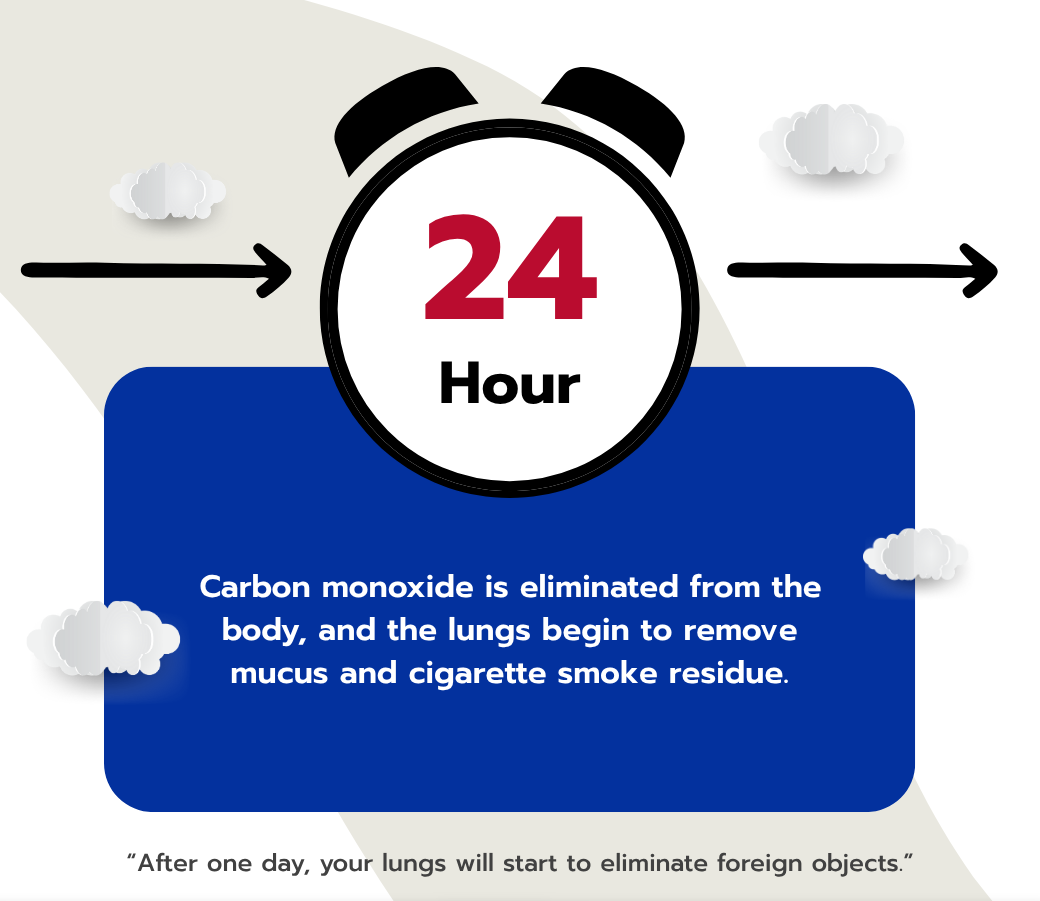
Quitting smoking is one of the most important steps a person can take toward improving their overall health. Although many people focus on the long-term benefits of stopping smoking, the body begins responding to the absence of cigarette smoke much sooner than expected. Even within the first 24 hours, several changes begin taking place, including improvements in oxygen levels, changes in circulation, and the beginning of recovery in the senses of taste and smell.
Smoking affects more than just the lungs. Cigarette smoke contains thousands of chemicals that can influence the respiratory system, blood circulation, and sensory functions. Over time, regular exposure can reduce the ability to recognize certain smells and fully appreciate different flavors.
The good news is that the body has a remarkable ability to recover after smoking stops. During the first day without cigarettes, the body starts adjusting to the absence of nicotine and other harmful substances.
This guide explores what happens during the first 24 hours without smoking, how your senses may begin to recover, and why these early changes can be an important part of your journey toward a smoke-free life.
1. What Happens When You Stop Smoking for 24 Hours?
The first 24 hours without cigarettes represent an important transition for the body.
When someone smokes regularly, nicotine enters the bloodstream and affects the nervous system. It can temporarily increase heart rate and blood pressure while reinforcing dependence through its effects on the brain’s reward system.
Once smoking stops, the body begins eliminating nicotine and adjusting to its absence.
Several changes can occur during the first day:
- Carbon monoxide levels in the blood begin to decrease.
- Oxygen availability improves as carbon monoxide clears.
- Heart rate and blood pressure can begin moving toward healthier levels.
- The body starts adjusting to lower nicotine exposure.
- Some people begin noticing changes in taste and smell.
- Withdrawal symptoms may develop as nicotine levels fall.
These changes do not happen identically for everyone. Previous smoking habits, overall health, and nicotine dependence can influence the experience.
2. Your Sense of Taste Begins to Recover
One of the interesting changes people may notice after quitting smoking is a gradual improvement in their sense of taste.
Smoking can affect taste perception in several ways. Cigarette smoke exposes the mouth to irritating chemicals and can contribute to inflammation, dry mouth, and changes in the environment surrounding taste receptors.
Over time, these effects may make certain foods seem less flavorful.
Why Smoking Affects Taste
The tongue contains specialized taste receptors that help recognize different flavor sensations, including:
- Sweetness.
- Saltiness.
- Sourness.
- Bitterness.
- Umami.
These receptors work together with the sense of smell to create the overall experience of tasting food.
Regular smoking can interfere with this process through irritation, changes in saliva production, and damage to oral tissues.
What Happens After 24 Hours?
After stopping smoking, the mouth is no longer exposed to cigarette smoke throughout the day.
However, taste recovery is not necessarily immediate. Some people notice subtle differences relatively early, while others need several days or weeks before recognizing meaningful improvements.
As the body continues recovering, food may gradually become more enjoyable and individual flavors may become easier to distinguish.
3. Your Sense of Smell May Become More Sensitive
The sense of smell plays a major role in everyday experiences. It helps people recognize food, flowers, perfumes, cooking ingredients, and environmental odors.
Smoking can interfere with the olfactory system, which is responsible for detecting and processing smells.
How Smoking Affects Smell
Cigarette smoke contains irritating substances that repeatedly pass through the nasal passages.
Long-term exposure can contribute to inflammation and interfere with the normal functioning of the cells involved in detecting odors.
This can make certain smells seem weaker or less noticeable.
Changes During the First Day
After 24 hours without cigarettes, exposure to smoke has stopped, allowing the body to begin recovering from ongoing irritation.
However, the restoration of smell sensitivity usually takes longer than one day.
As recovery continues, some former smokers may begin noticing:
- The smell of freshly prepared food.
- Perfumes and fragrances.
- Flowers and plants.
- Fresh air after rainfall.
- Everyday household odors.
The speed of improvement varies from person to person.
4. Carbon Monoxide Levels Begin to Fall
One of the most important early benefits of stopping smoking involves carbon monoxide.
Carbon monoxide is a harmful gas produced when tobacco burns. When inhaled, it enters the bloodstream and attaches to hemoglobin, the protein in red blood cells responsible for carrying oxygen.
Carbon monoxide competes with oxygen for these binding sites, reducing the blood’s ability to transport oxygen effectively.
What Happens After Smoking Stops?
Once cigarette smoking stops, the body gradually eliminates carbon monoxide.
As carbon monoxide levels decrease, hemoglobin becomes more available to transport oxygen.
According to commonly cited smoking-cessation timelines, blood carbon monoxide levels can return toward normal within approximately 12 hours after the last cigarette, although the exact timing depends on individual circumstances and previous exposure.
Why This Matters
Improved oxygen transport supports normal body functions.
Oxygen is essential for:
- Brain activity.
- Muscle function.
- Organ health.
- Energy production.
- Normal cellular processes.
This is an important early benefit of quitting smoking, even though many other recovery processes take much longer.
5. Your Heart Begins Adjusting to Life Without Cigarettes
Smoking places additional stress on the cardiovascular system.
Nicotine stimulates the nervous system and can increase heart rate and blood pressure. Other substances in cigarette smoke also contribute to damage affecting blood vessels.
When someone stops smoking, the body begins adjusting to the absence of these repeated exposures.
Early Cardiovascular Changes
During the first day, heart rate and blood pressure can begin moving toward healthier levels.
The extent of change depends on individual health and smoking history.
Why Circulation Matters
Healthy circulation helps transport oxygen and nutrients throughout the body.
Improved cardiovascular health can support several important functions, including:
- Normal organ function.
- Physical activity.
- Tissue repair.
- General cardiovascular well-being.
Quitting smoking is particularly important for reducing long-term cardiovascular risks.
6. Your Brain Begins Adjusting to Lower Nicotine Levels
Nicotine affects the brain’s reward system by stimulating the release of neurotransmitters, including dopamine.
With repeated exposure, the brain adapts to nicotine, which contributes to dependence.
When smoking stops, nicotine levels begin falling and the brain needs time to adjust.
Possible Changes During the First 24 Hours
Some people experience:
- Strong cravings.
- Irritability.
- Restlessness.
- Difficulty concentrating.
- Anxiety.
- Changes in mood.
- Increased appetite.
These symptoms are common signs of nicotine withdrawal.
They can begin within hours after the last cigarette and may become more noticeable during the first few days.
How to Manage Early Cravings
A few practical strategies can make the first day more manageable:
- Drink water regularly.
- Take short walks when cravings appear.
- Avoid situations strongly associated with smoking.
- Practice slow breathing.
- Keep your hands occupied with another activity.
- Seek support from friends, family, or a healthcare professional.
Nicotine replacement therapy and other evidence-based smoking-cessation treatments can also help manage withdrawal symptoms. A healthcare professional can explain which options may be appropriate.
7. Your Mouth and Breath Begin Experiencing Changes
Smoking can leave a persistent odor on the breath, tongue, teeth, and surrounding oral tissues.
It also contributes to dry mouth, gum disease, tooth discoloration, and other oral health problems.
When smoking stops, the mouth is no longer exposed to cigarette smoke repeatedly throughout the day.
What May Improve?
Some people begin noticing:
- Less smoke-related breath odor.
- Reduced exposure to irritating chemicals.
- A cleaner feeling in the mouth.
- Gradual improvement in taste perception.
However, stopping smoking does not immediately remove existing dental stains or reverse established gum disease.
Good oral hygiene remains important.
Brushing twice daily, cleaning between teeth, and attending regular dental appointments can support oral health during recovery.
8. Your Breathing and Respiratory System Begin Their Recovery
The respiratory system is directly exposed to cigarette smoke, making it one of the main areas affected by smoking.
Cigarette smoke irritates the airways and damages structures involved in clearing mucus and other particles from the lungs.
One important structure is the cilia.
Cilia are tiny hair-like structures lining parts of the respiratory tract. They help move mucus and trapped particles out of the airways.
What Happens After Quitting?
Once smoking stops, the respiratory system is no longer receiving regular exposure to cigarette smoke.
Over time, the cilia can begin recovering their function.
Some people may temporarily experience increased coughing as the respiratory system adjusts and mucus clearance changes.
This does not mean everyone will cough more after quitting.
Persistent, severe, or worsening breathing problems should be assessed by a healthcare professional.
9. What Happens Between 12 and 24 Hours Without Smoking?
The first day includes several important changes.
Here is a general overview of what may happen during this period.
| Time Without Smoking | Possible Changes |
|---|---|
| 1 hour | Heart rate and blood pressure may begin decreasing. |
| 4 hours | Nicotine levels continue falling, and cravings may appear. |
| 8 hours | Carbon monoxide levels continue declining. |
| 12 hours | Blood carbon monoxide may approach normal levels. |
| 16 hours | The body continues adjusting to reduced nicotine exposure. |
| 20 hours | Cardiovascular and respiratory recovery processes continue. |
| 24 hours | The first smoke-free day is complete, and withdrawal symptoms may be noticeable. |
These are approximate milestones, not guaranteed changes that occur at precisely the same time for everyone.
10. Tips for Completing Your First 24 Hours Without Smoking
The first day can be challenging, particularly for people who have smoked for many years.
Creating a simple plan can help reduce the likelihood of returning to cigarettes.
Stay Hydrated
Drinking water regularly supports normal body functions and can help manage dry mouth.
Avoid Smoking Triggers
Try to identify situations that usually encourage you to smoke.
These may include drinking coffee, taking work breaks, social gatherings, or feeling stressed.
Changing your routine temporarily can help.
Keep Yourself Occupied
Activities such as walking, reading, cooking, or talking with friends can help redirect attention when cravings appear.
Eat Balanced Meals
Choose nutritious meals and snacks to maintain energy throughout the day.
Some people experience increased appetite after quitting, so maintaining regular eating habits can be helpful.
Get Enough Sleep
Sleep supports physical and mental recovery.
Try to maintain a consistent sleeping schedule, especially during the early withdrawal period.
Consider Professional Support
Healthcare professionals can recommend evidence-based treatments, including nicotine replacement therapy and prescription medications where appropriate.
Counseling and structured cessation programs can also improve the chances of quitting successfully.
11. What Happens After the First 24 Hours?
The first day is only the beginning of the recovery process.
Many important benefits develop over subsequent days, weeks, months, and years.
| Time After Quitting | General Health Changes |
|---|---|
| 24–48 hours | Nicotine levels fall substantially, and smell and taste may begin improving. |
| 2–12 weeks | Circulation and lung function can improve. |
| 1–9 months | Coughing and shortness of breath may decrease. |
| 1 year | Coronary heart disease risk is approximately half that of someone who continues smoking. |
| 5–10 years | Risks of several smoking-related diseases continue decreasing. |
| 10–15 years | Lung cancer risk falls substantially compared with continued smoking. |
Recovery varies according to smoking history, age, existing medical conditions, and other factors.
The benefits of quitting are meaningful even for people who have smoked for many years.
Frequently Asked Questions
1. Can Your Sense of Taste Improve After 24 Hours Without Smoking?
Taste perception may begin changing after smoking stops, but noticeable improvements often take longer. Recovery varies between individuals.
2. How Long Does It Take for Your Sense of Smell to Recover?
Some people notice improvements within days or weeks, while others require several months. Long-term smoking-related damage and other health conditions can affect recovery.
3. Does Carbon Monoxide Leave Your Body Within 24 Hours?
Carbon monoxide levels generally decrease substantially after smoking stops. They can approach normal levels within approximately 12 hours, depending on previous exposure and individual circumstances.
4. Why Do I Feel Irritable After Not Smoking for One Day?
Irritability is a common nicotine withdrawal symptom. It occurs because the brain is adjusting to the absence of nicotine.
5. Is Coughing Normal After Quitting Smoking?
Some people experience temporary changes in coughing as their respiratory system recovers. Persistent or concerning symptoms should be evaluated by a healthcare professional.
6. Can Quitting Smoking Improve Food Taste?
Yes. Smoking can interfere with taste and smell. These senses may gradually improve after quitting, making food more enjoyable.
7. Is the First 24 Hours the Hardest Part of Quitting?
The first day can be challenging, but nicotine withdrawal often becomes more noticeable during the first several days. Cravings generally become less frequent and intense over time.
Final Thoughts: Every Smoke-Free Hour Matters
Spending 24 hours without smoking is an important achievement. During this period, your body begins adjusting to the absence of nicotine and cigarette smoke. Carbon monoxide levels fall, oxygen transport improves, and your cardiovascular and respiratory systems begin their recovery processes.
Your senses of taste and smell may also start recovering, although noticeable improvements generally take longer than a single day.
The most important thing to remember is that recovery does not happen overnight. Every smoke-free day provides another opportunity for your body to move toward better health