

Blog
Pros and Cons for Waka Blade 50000 Puffs

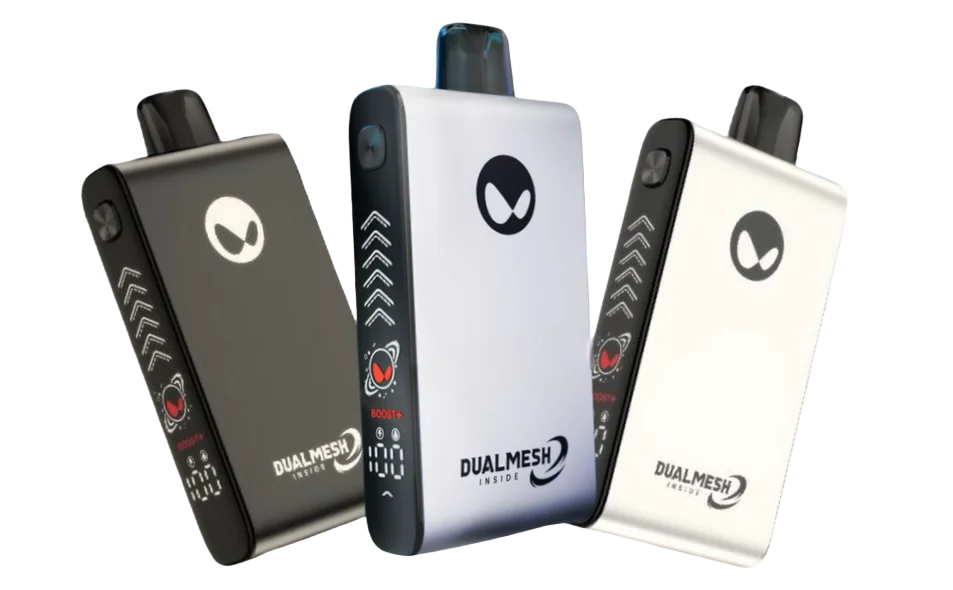
The Waka Blade 50000 Puffs represents a significant milestone in the evolution of high-capacity disposable electronic vaping systems. Designed to cater to heavy users and those seeking maximum longevity from a single device, this hardware merges substantial e-liquid reserves with advanced power management. While its ultra-high puff count and robust feature set offer distinct advantages, the sheer scale of the device brings specific trade-offs regarding portability, maintenance, and sensory consistency.
Below is an extensive, detailed analysis of the technical pros and cons associated with the Waka Blade 50,000 Puffs.
The Pros: Architectural and Operational Advantages
1. Unmatched Longevity and Cost Efficiency
The primary engineering feat of the device is its massive e-liquid capacity, calibrated to deliver up to 50,000 puffs. For the consumer, this translates directly into long-term economic savings and unparalleled convenience.
- Reduced Replacement Frequency: Users who typically carry multiple disposables or worry about running out of liquid during travel can rely on a single unit for weeks, or even months, depending on individual consumption habits.
- Bulk Value: From a cost-per-milliliter perspective, purchasing a single ultra-high-capacity device is significantly more economical than buying a dozen lower-capacity alternatives, drastically lowering the user’s ongoing financial investment.
2. Advanced Dual-Mesh Coil Technology
To sustain vapor production across such a massive volume of e-liquid, the device utilizes an optimized dual-mesh coil configuration.
- Even Heat Distribution: Mesh structures distribute thermal energy across a broader surface area compared to traditional spiral wires. This minimizes the risk of localized hotspots, preventing the cotton from burning early in the lifecycle.
- Alternating Performance Modes: The internal circuitry is designed to alternate between coils or engage both simultaneously (often via a dedicated boost toggle). This mechanism ensures that neither coil degrades prematurely, maintaining crisp flavor profiles well into the thousands of puffs.
3. Comprehensive Smart Display and Monitoring
Gone are the days of guessing when a disposable vape will die or run out of juice. The device integrates a sophisticated LED/LCD dashboard.
- Real-Time Metrics: The screen provides highly accurate, real-time percentages for both remaining battery life and internal e-liquid levels.
- Dynamic Animations: Visual indicators actively change during inhalation, giving the user immediate tactile and visual confirmation of the device’s operational status and current power mode.
4. Robust Battery Management and Rapid Charging
Powering a device capable of vaporizing tens of milliliters of e-liquid requires a robust power source. While the internal battery is optimized for a compact footprint, its management system is highly efficient.
- Type-C Fast Charging: The integration of modern Type-C ports ensures that the high-capacity internal cell can be replenished swiftly, minimizing operational downtime.
- Consistent Voltage Output: The chipset features integrated voltage regulation, ensuring that the vapor density and throat hit remain stable even when the battery charge drops below 20%.
5. Customization via Adjustable Airflow
The hardware caters to diverse inhalation styles by incorporating a mechanical airflow control slider at its base.
- Mouth-to-Lung (MTL): Closing the airflow yields a tight, warm draw that mimics traditional smoking, maximizing throat hit and nicotine delivery.
- Restricted Direct Lung (RDL): Opening the valve permits greater air volume to pass over the dual coils, cooling the vapor and producing denser, larger clouds for a more sub-ohm-like experience.
The Cons: Technical and Practical Trade-Offs
1. Bulk, Form Factor, and Ergonomics
The physical laws of e-liquid storage cannot be bypassed; containing the volume required for 50,000 puffs demands a large physical chassis.
- Loss of Pocketability: This device is significantly heavier and bulkier than standard 5,000 or 10,000-puff alternatives. It does not sit comfortably in small pockets and can feel cumbersome during prolonged handheld use.
- Discreetness Compromised: The large footprint makes stealth vaping virtually impossible. The device is conspicuous, which may not appeal to users who prefer a subtle, low-profile vaping profile in public settings.
2. Risk of Flavor Fatigue and Coil Degradation
Committing to a single device for 50,000 puffs introduces unique sensory and mechanical challenges over time.
- Sensory Adaptation: Vaping the exact same flavor profile for an extended duration frequently leads to “vaper’s tongue,” where the user’s palate becomes desensitized to the notes of the e-liquid, making the experience taste muted or bland.
- Gradual Sweetener Buildup: Even with advanced dual-mesh engineering, heavy sweeteners found in complex e-liquids inevitably leave carbon deposits (gunk) on the coils over weeks of use. The final 10,000 puffs may not taste nearly as clean or vibrant as the first 10,000.
3. Environmental and Ecological Footprint
From a sustainability standpoint, ultra-high-capacity disposables present a complex environmental dilemma.
- Heavy-Duty Electronic Waste: The unit houses a sizeable rechargeable lithium-ion battery, a complex printed circuit board (PCB), an LCD screen, and plastic housing. Once the e-liquid is fully depleted, the entire apparatus is discarded.
- Recycling Complexities: Due to the integrated nature of the chassis, separating the lithium component from the plastic and e-liquid-soaked cotton matrix is incredibly difficult for standard recycling facilities, contributing to electronic waste concerns.
4. Dependency on Recharging Infrastructure
Because the device relies on a rechargeable internal cell to vaporize its massive reservoir, its “disposable” convenience is tethered to a power source.
- Frequent Charging Required: While the e-liquid lasts for weeks, the battery will deplete regularly (often daily under heavy use). If a user forgets their Type-C cable or lacks access to an outlet, the device becomes temporarily non-functional, unlike traditional small-capacity disposables that require zero maintenance.
5. Vulnerability to Mechanical and Component Failure
With an extended operational lifespan, the probability of encountering a hardware or structural failure increases.
- Sensor and Screen Vulnerability: Drops or exposure to moisture can damage the delicate LED dashboard or the internal draw-activation sensor. If the screen fails or the sensor auto-fires, the entire remaining e-liquid volume becomes inaccessible.
- Potential for Micro-Leaks: Over weeks of temperature fluctuations and pressure changes (such as during altitude shifts), the seals maintaining the massive e-liquid reservoir may experience microscopic degradation, leading to minor leaks or condensation buildup near the airflow intake.
Comparative Overview
| Technical Attribute | The Pros (Advantages) | The Cons (Drawbacks) |
|---|---|---|
| Capacity & Value | Extreme longevity; exceptional cost-per-milliliter value. | High flavor fatigue; potential for late-stage coil gunk. |
| Design & Utility | Precision smart screens; highly adjustable airflow dynamics. | Bulky, heavy chassis; lacks pocket-friendly ergonomics. |
| Power & Hardware | Swift Type-C recharging; stable voltage output. | Constant reliance on power grids; high electronic waste output. |
Export to Sheets
The Waka Blade 50,000 Puffs stands as a powerful tool for vapers prioritizing longevity, economic efficiency, and real-time data tracking. However, users must balance these benefits against the device’s physical bulk, the environmental realities of large-scale disposables, and the inevitable flavor adaptation that occurs when sticking to a single profile over an extended duration.